Five years ago, most people in Britain had never heard of padel. Today, it is one of the fastest-growing sports in the country.
The numbers are remarkable. According to the LTA, which governs the sport in Britain, 860,000 adults and juniors played padel in 2025, more than double the year before. By the end of 2025 there were 1,553 courts across 559 venues, up from just 69 courts when the LTA took over governance of the sport. This spring, the LTA reported that participation has now passed one million players.
For anyone working in fitness, that is not just a sports story. It is a career story.
Why padel has taken off
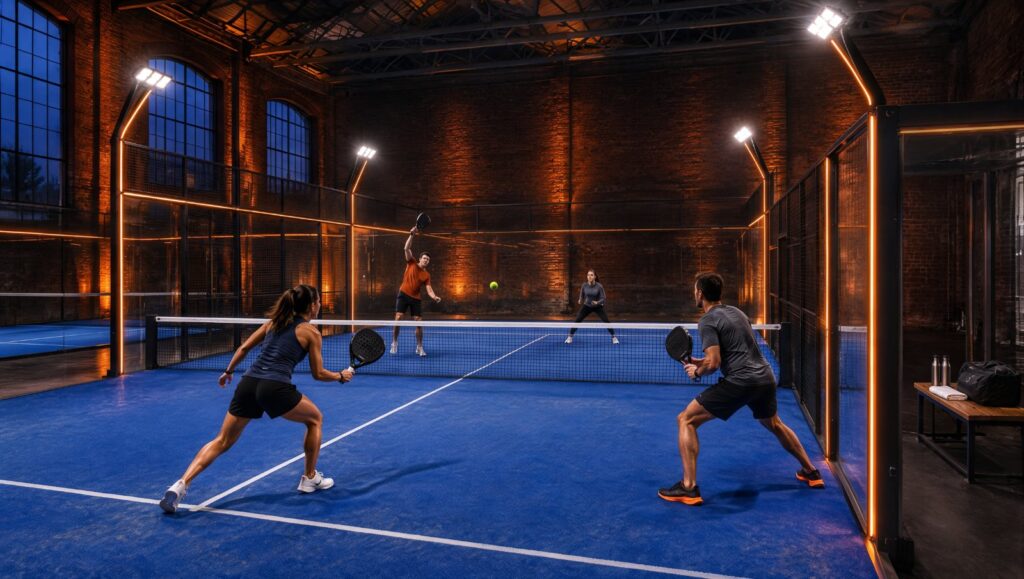
Padel is easy to pick up, sociable and fun from the very first session. It is played in doubles on a small enclosed court, so rallies last longer than in tennis and beginners can enjoy a proper game straight away. Many courts are indoor or covered, which suits the British weather.
It also fits the way people want to exercise now. Like Hyrox and other community-driven formats, padel combines a real workout with a social experience, and people come back because their friends are there.
The opportunities for fitness professionals
1. Coaching the sport
As participation grows, so does demand for qualified coaches. The LTA offers routes into the padel workforce, including the LTA Activator course for people who want to deliver fun, facilitated play, and coaching qualifications for those who want to go further. Personal trainers and racket sport coaches with a feel for movement are well placed to add padel to their skills.
As a qualified padel coach myself, I have seen how quickly a beginner group can turn into a regular community, and those communities need good coaches to keep them growing.
2. Strength and conditioning for padel players
Padel is fast, explosive and full of short sprints, quick changes of direction and overhead shots. New players often push their bodies harder than they expect, and shoulders, elbows, calves and knees can take the strain.
That creates a clear opportunity for personal trainers and strength coaches. Injury prevention programmes, mobility work, footwork and agility sessions and padel-specific conditioning classes are all services that a growing pool of players is looking for.
3. New roles at new venues
Every new padel venue needs people: coaches, session hosts, front-of-house staff and, in many cases, fitness staff for attached gyms and studios. Operators adding courts to existing leisure centres and health clubs need staff who understand both the sport and the wider fitness offer.
4. Classes that bridge the gym and the court
Gyms with padel players among their members can run racket-sport conditioning classes, warm-up sessions and recovery programmes. It is a simple way to connect the gym floor to one of the most popular activities in the country right now.
Skills worth building
If you want to be part of the padel boom, focus on:
- Understanding the movement demands of racket sports
- Coaching mixed-ability groups in a fun, social way
- Injury prevention for shoulders, elbows and lower legs
- Agility, footwork and reactive training
- A recognised coaching qualification if you want to coach on court
How The Fitness Directory helps
The Fitness Directory connects gyms, studios and venues across the UK with verified fitness professionals. As padel venues and leisure operators grow their teams, they can post shifts and roles in the app, and professionals with the right skills can apply.
Whether you are a coach adding padel to your offer or a venue looking for your next hire, find out how The Fitness Directory works.